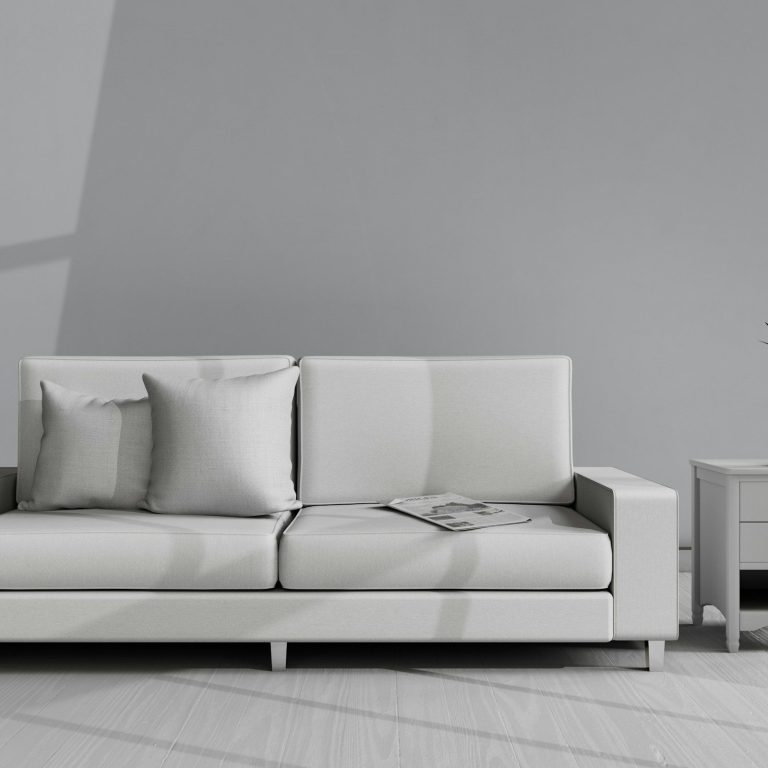
Leather Sofa inspections
Our leather sofa inspections provide an independent assessment of build quality, frame strength, cushion support, leather condition, dye finish, stitching, and compliance with safety standards. We identify faults such as premature cracking, peeling, discoloration, wear, material defects, incorrect grade or specification, or damage, and document every detail in a formal report. This evidence is fully accepted for Section 75 claims, Chargeback requests, retailer disputes, and court proceedings.
Leather Sofa Fault Diagnosis
Expert Leather Sofa and Material Fault Diagnosis
At The Furniture Inspection Company we provide a professional leather sofa and material fault diagnosis service for consumers seeking clear, independent answers regarding quality and performance concerns. Our business-to-consumer service covers a wide range of leather types, grades, finishes, hides, upholstery components, internal frames, cushion fillings, and manufacturing processes.
When a leather sofa develops faults, defects or signs of premature deterioration, identifying the root cause is essential. Our experienced inspectors can determine whether an issue stems from a manufacturing defect, poor leather selection, coating failure, faulty workmanship, transportation damage, delivery handling, environmental conditions, improper care, or normal wear and tear.
Our inspections provide an independent assessment of the condition of the leather sofa and identify the likely cause of any reported defects. By examining the frame construction, suspension system, cushioning, leather quality, dyeing, protective coatings, and stitching, we can provide a clear understanding of why a fault has occurred and whether it is consistent with manufacturing defects, material failure, incorrect specification, misuse, accidental damage, or expected performance characteristics.
Independent Professional Reporting
Our fault diagnosis service provides clear, evidence‑based findings to help consumers understand the cause of problems affecting their leather sofa. We offer impartial assessments that can assist with discussions involving retailers, manufacturers, warranty providers, insurers, and finance companies.
Each inspection is carried out with professionalism and attention to detail, ensuring that all relevant factors are considered before a conclusion is reached. Our reports clearly explain the nature of the fault, its likely cause, and whether the issue is related to leather quality, finish performance, manufacturing standards, consumer use, or other external influences.
Whether you are experiencing issues with cracking, peeling, fading, discoloration, staining, stiffness, uneven colour, cushion sagging, or structural integrity, The Furniture Inspection Company can provide an expert diagnosis and practical guidance to help resolve your concerns.
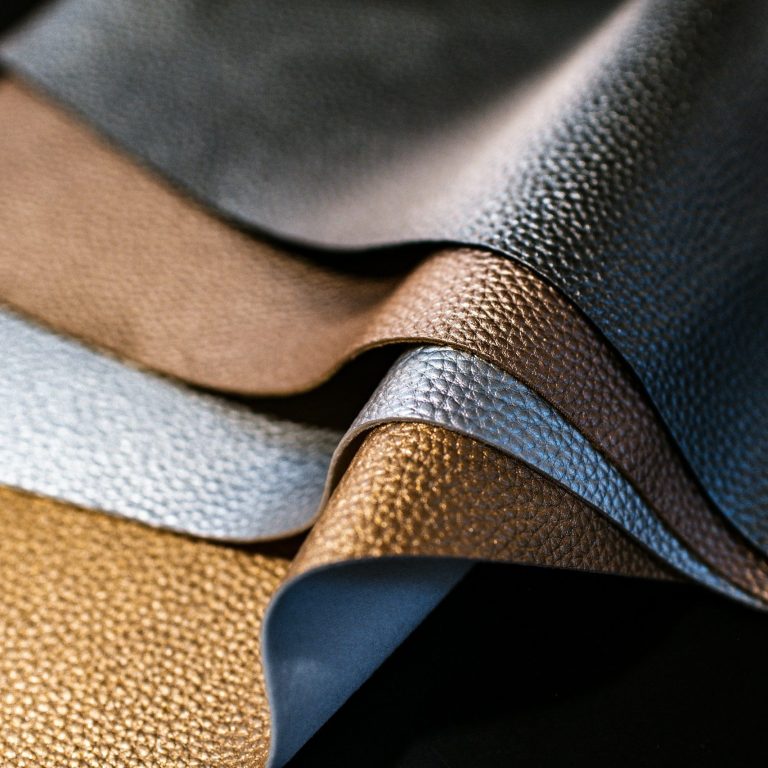
Water spotting, water fastness and perspiration testing
We test finished leather and samples to check resistance to marking, staining, and damage from moisture and body contact:
- BS EN ISO 105‑E07:2010 & BS EN ISO 15700:1999 – Resistance to water spotting
- BS EN ISO 11642:2012 – General water fastness
- BS EN ISO 105‑E04:2013 & BS EN ISO 11641:2012 – Resistance to perspiration
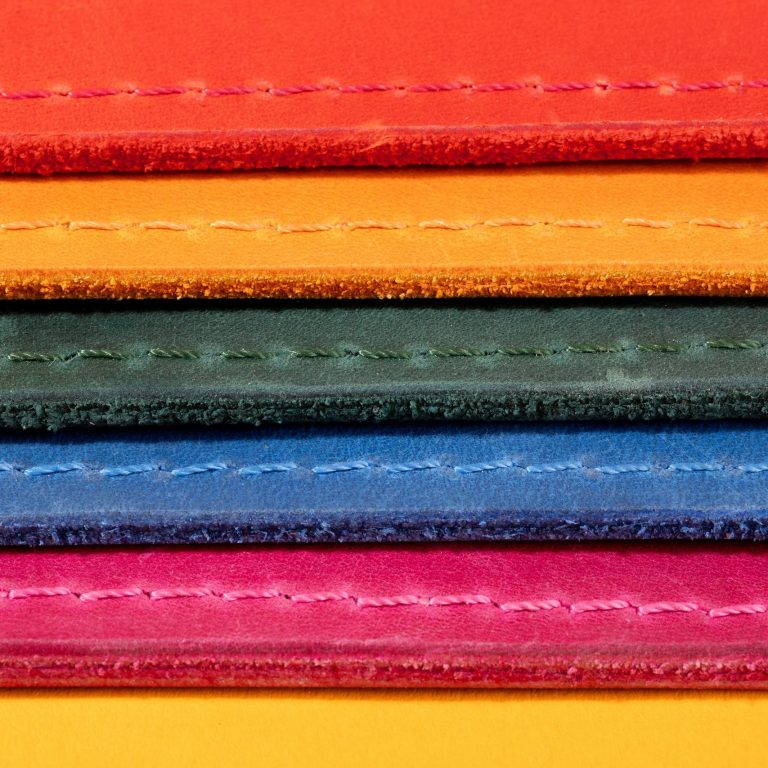
Dye colour fastness test
Our assessments confirm how well colours resist fading, bleeding, or transferring onto other surfaces:
- BS EN ISO 105‑B02:2014 – Resistance to fading from light exposure
- BS EN ISO 15701:2015 – Resistance to colour staining onto PVC and other materials
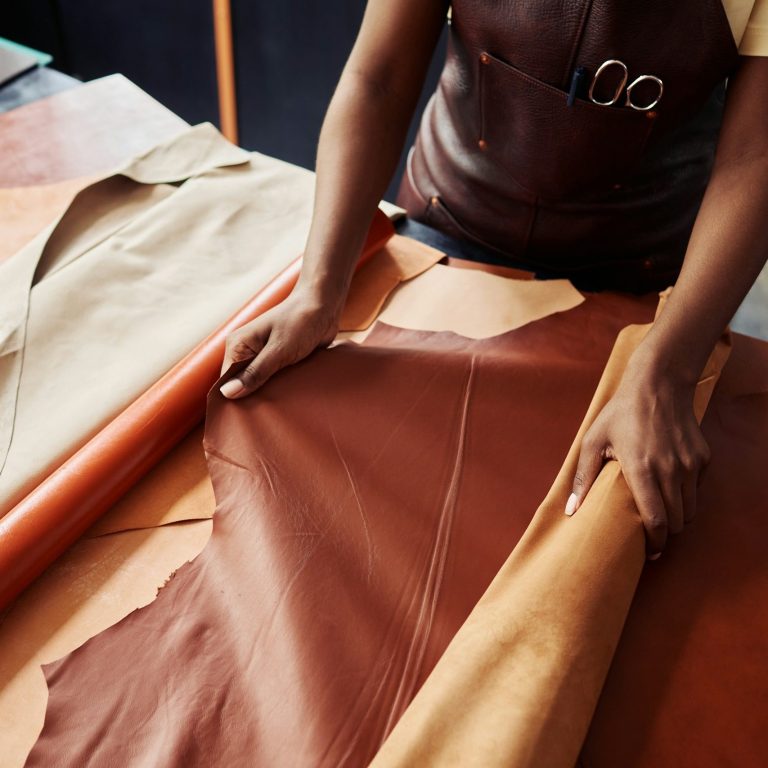
Leather finish adhesion testing (wet & dry)
We verify how securely surface coatings are bonded to the material, for genuine leather, PU, PVC, and other synthetic alternatives:
- BS EN ISO 11644:2009 – Determination of finish adhesion strength
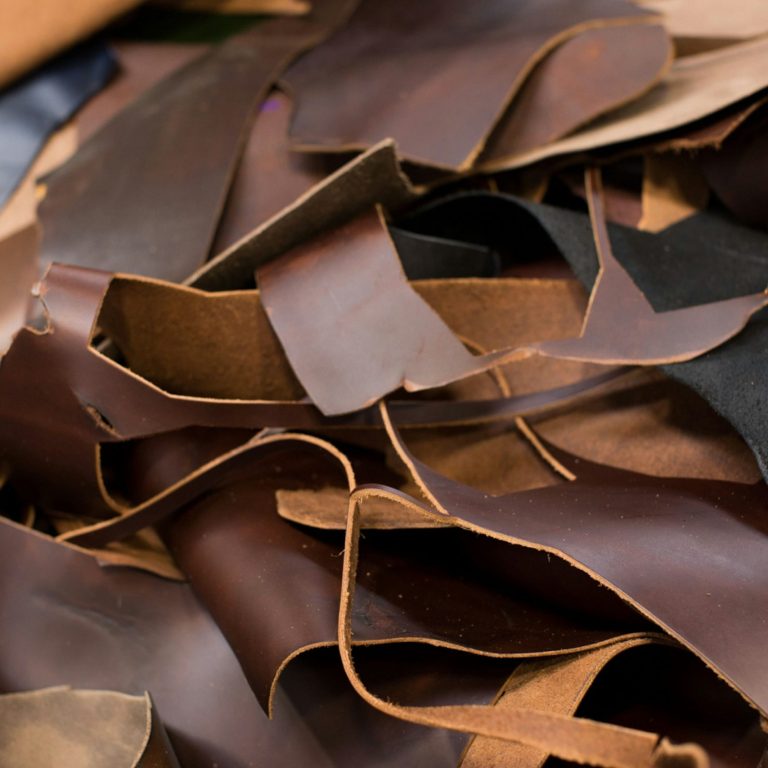
Leather Tear Strength Testing
We carry out tests to measure the material’s strength and resistance to splitting or tearing under stress:
- BS EN ISO 3376:2020 – Tensile strength and percentage extension
- BS EN ISO 3377‑1:2011 – Single‑edge tear load
- BS EN ISO 3377‑2:2016 – Double‑edge tear load (Baumann method)
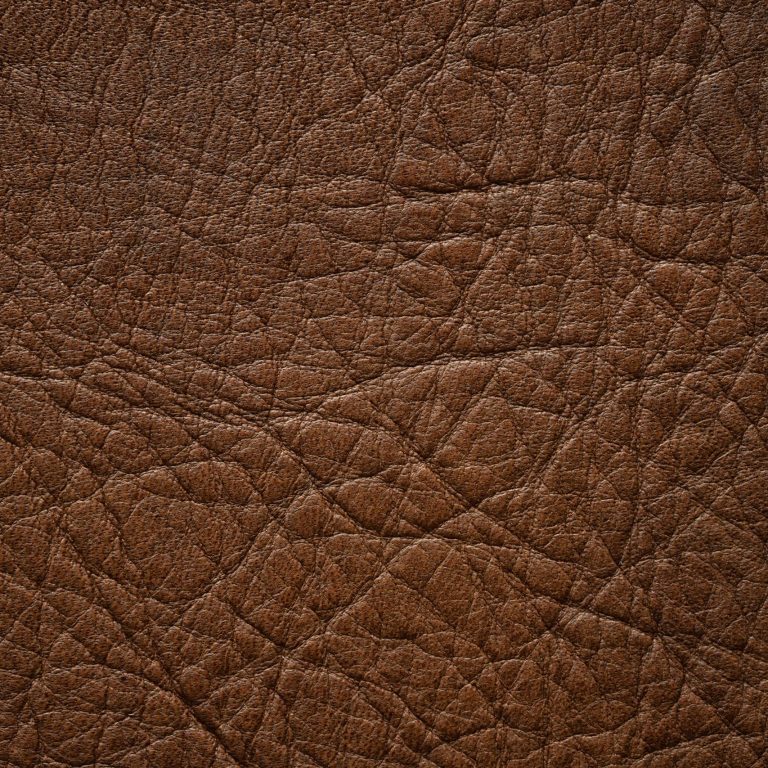
Abrasion Resistnace Testing
We test genuine leather, PU, and synthetic alternatives to measure their ability to resist wear and surface damage over time:
- Taber Abrasion Method
- BS EN 13520:2002 + A1:2004 – Abrasion resistance using the Martindale method
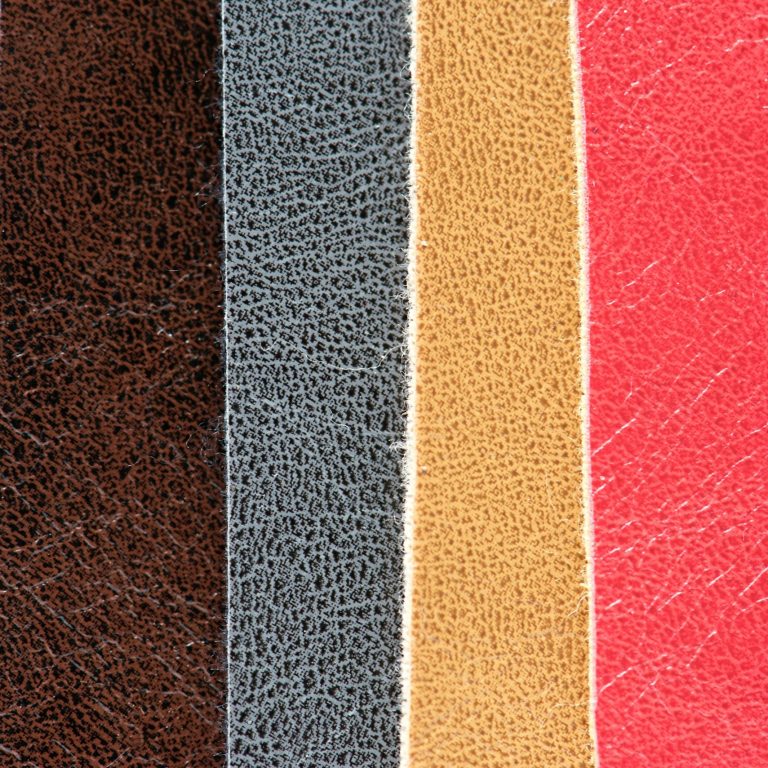
Rub Fastness test
We measure how well the surface finish and colour withstand repeated contact and friction:
- BS EN ISO 17700:2019 Parts A & B – Colour fastness to rubbing
Cold Crack Resistance Testing
Cracking of the finish is a common issue, often triggered by temperature changes. We test the material’s ability to withstand cold conditions without damage: